


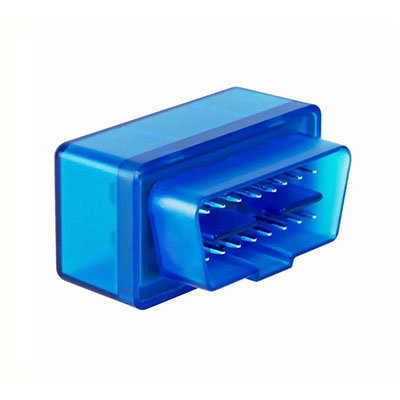

Search OBD2 Scanner
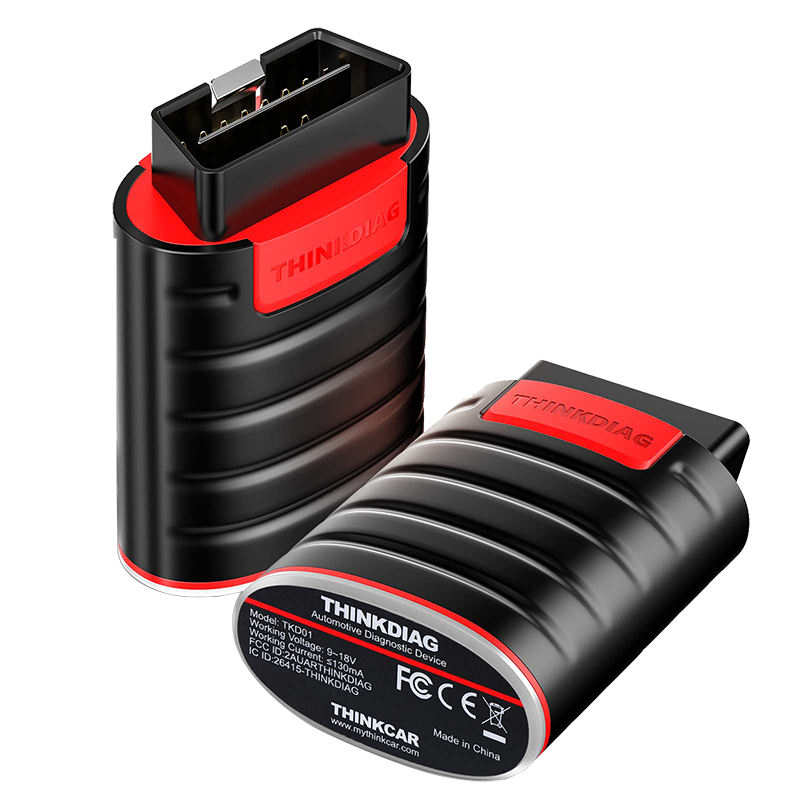
Looking for a reliable way to diagnose your vehicle's issues without breaking the bank?
Whether you're a DIY enthusiast or a professional mechanic, the right diagnostic tool can save you time and money.
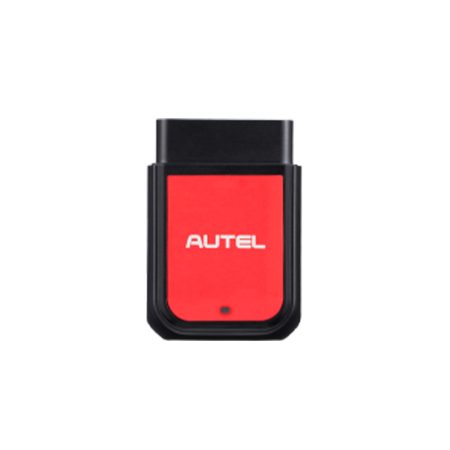
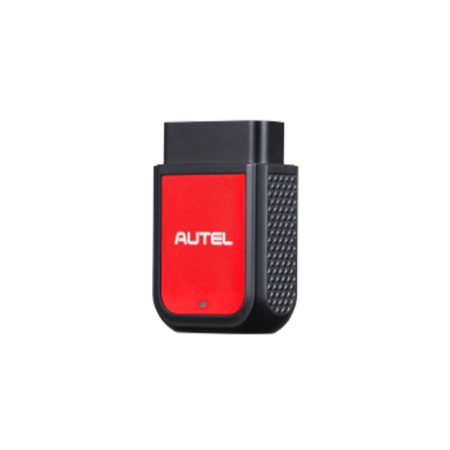
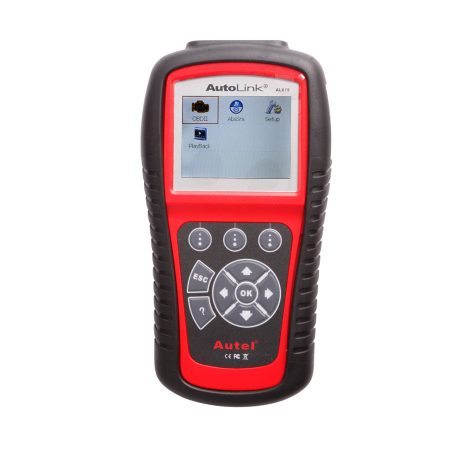
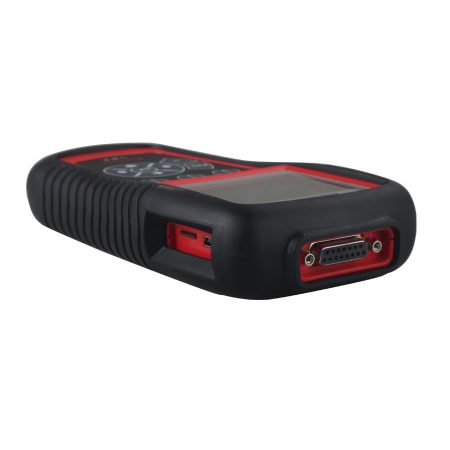
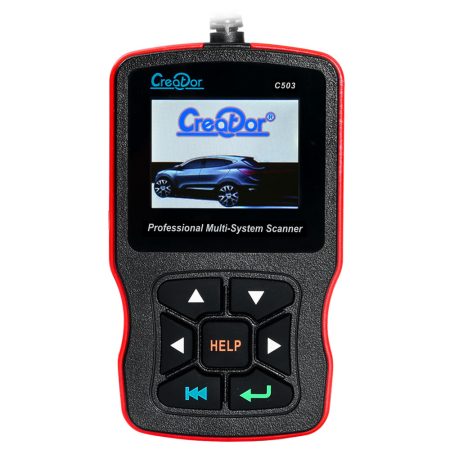
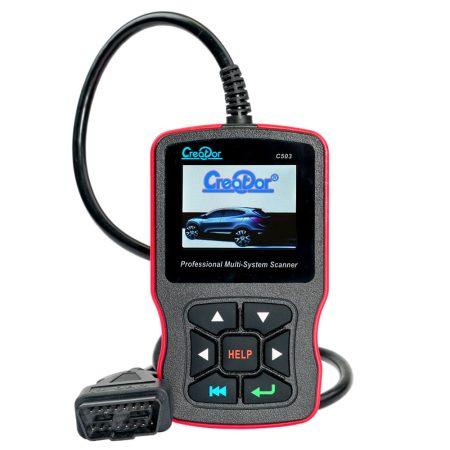
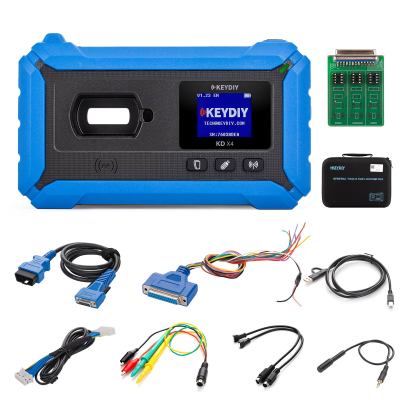
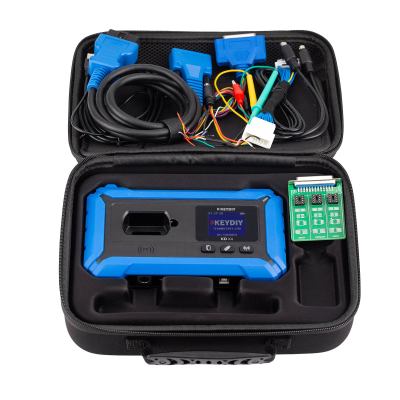
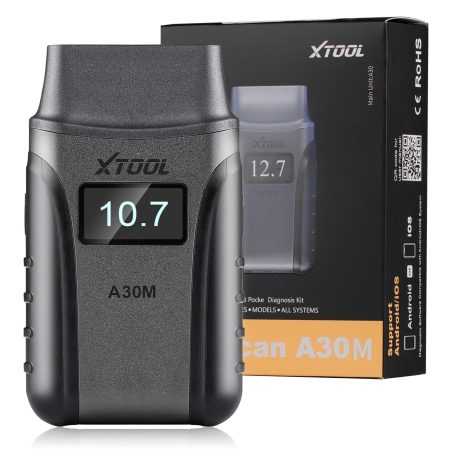
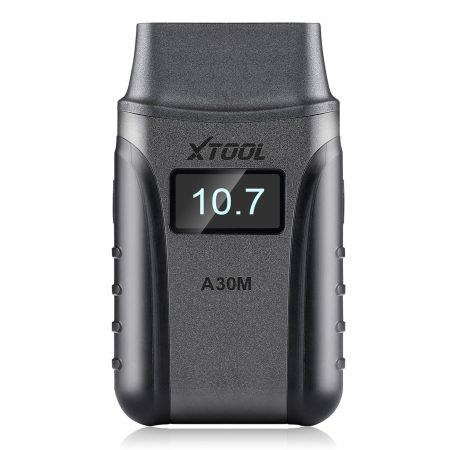
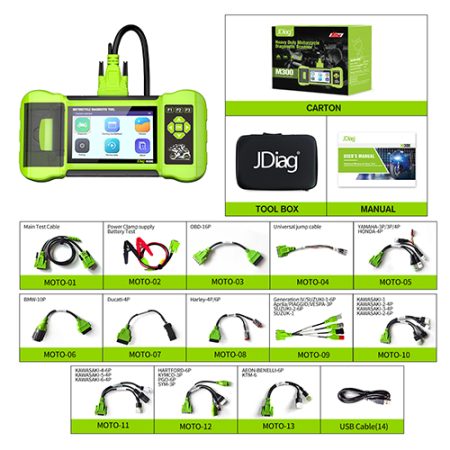
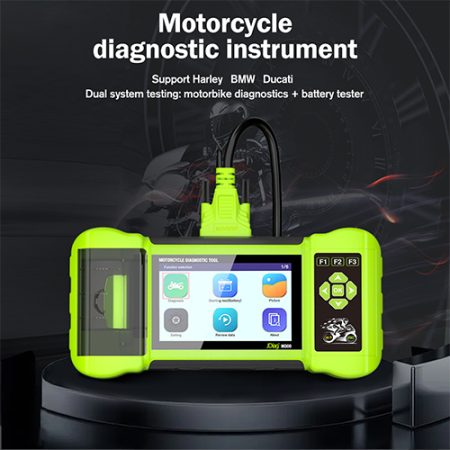
Our curated selection of OBD2 Scanner features top-rated models that combine advanced functionality with user-friendly operation.
Browse our OBD2 Scanner reviews to find the perfect scanner that matches both your skill level and budget.
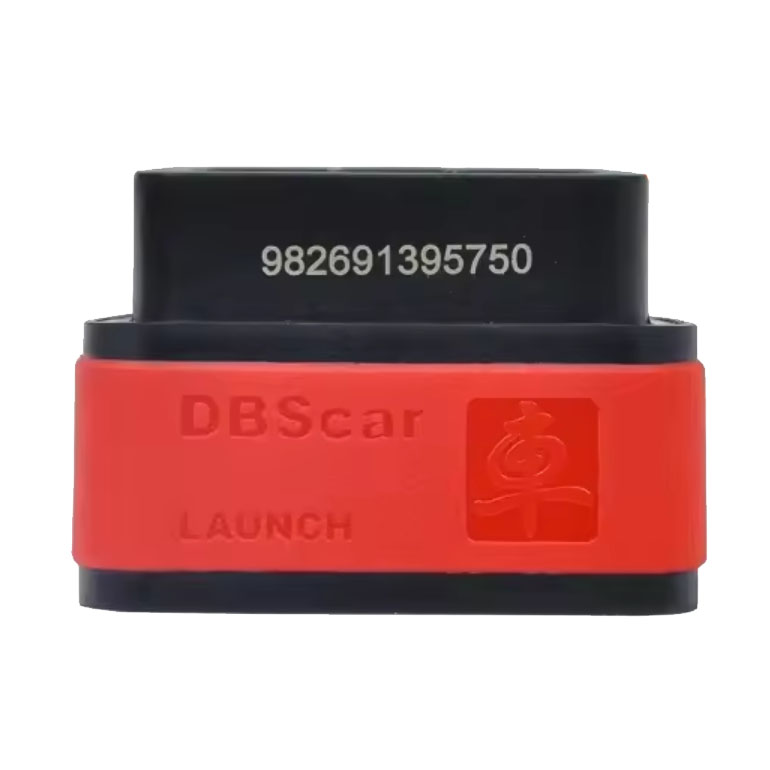

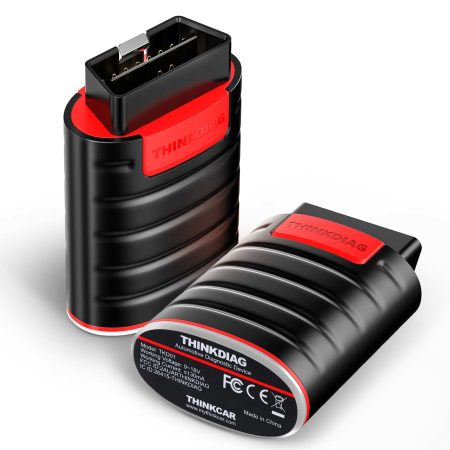
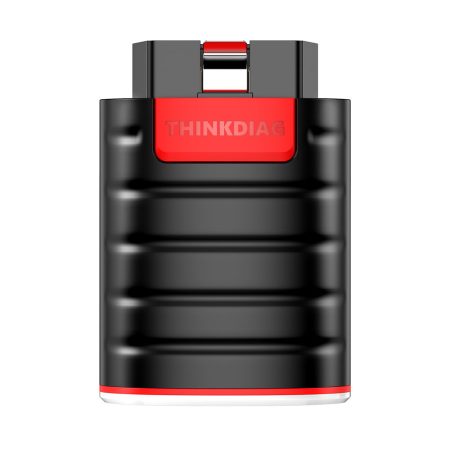


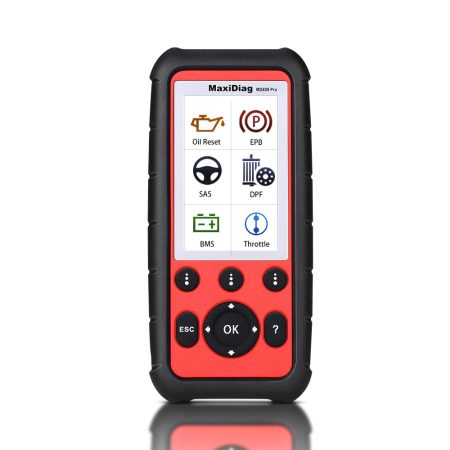
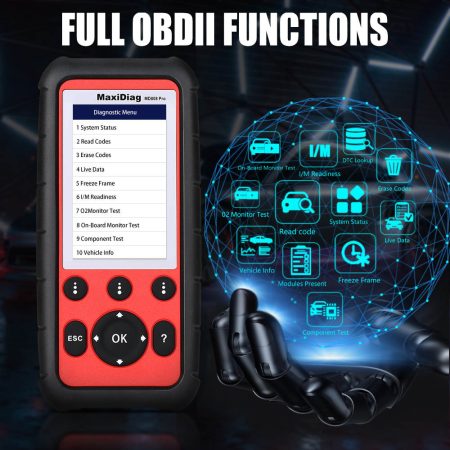
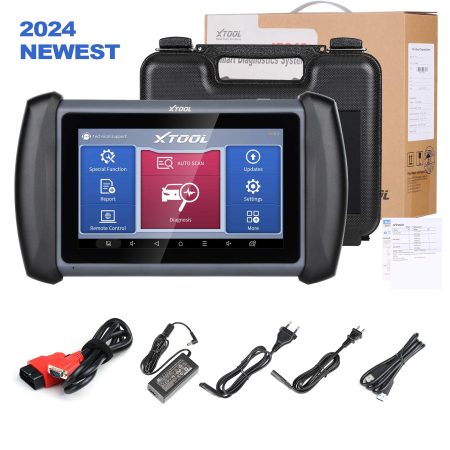
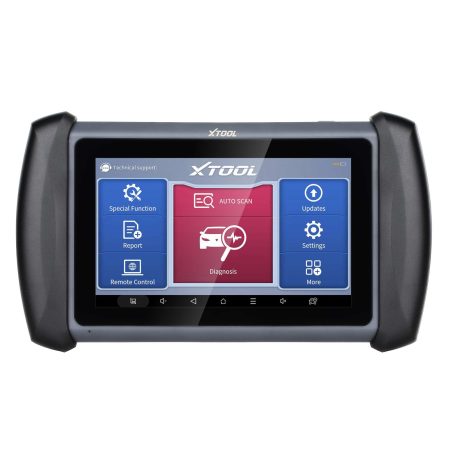
It's well worth it. An OBD2 scanner helps you quickly read fault codes, avoid being overcharged by repair shops, and monitor your vehicle's health in real time. For car owners who like to do things themselves, spending a few hundred dollars can save you thousands of dollars in diagnostic fees.
OBD2 stands for "On-Board Diagnostics 2," a standardized diagnostic connector and emissions-related data system used on automobiles and light trucks sold in the US from 1996 onwards. Simply put, it's a vehicle's "self-monitoring system" used to monitor engine operation and emissions levels in real time. OBD2 scanners connect to the vehicle's OBD2 interface to read diagnostic fault codes stored in the vehicle's ECU (Engine Control Unit). When the "Check Engine" warning light illuminates on your dashboard, the device can help you quickly identify potential problems. In addition to reading fault codes, it can monitor engine performance, sensor behavior, and emissions data, helping owners detect problems early, avoid unexpected breakdowns, and provide accurate information when heading to a repair shop, saving repair time.
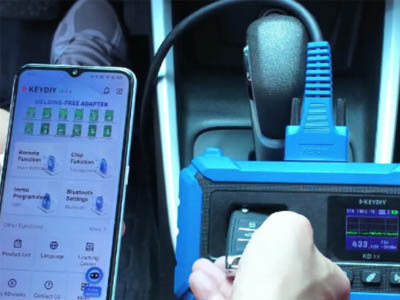
After turning off the engine, locate the vehicle's OBD2 interface (usually under the steering wheel), insert the scanner, and then start the vehicle (without starting the engine). Open the mobile app or device screen, select connect, and you can read fault codes and real-time data.
Unlike Amazon, eBay, and Walmart etc., independent websites have lower operating costs, allowing you to buy the same products at lower prices. Plus, you can directly contact the website's owner if you encounter any problems.
Most modern passenger cars are compatible with OBD2 scanner. Specific standards are as follows: US Market: All passenger cars and light trucks manufactured in 1996 and later must comply with OBD-II standards. European Market: Gasoline vehicles manufactured in 2001 and later, and diesel vehicles manufactured in 2004 and later, must comply with the standard. China Market: Gasoline vehicles manufactured in Beijing area manufactured in 2008 and later, gasoline vehicles manufactured nationwide in 2010 and later, and diesel vehicles manufactured nationwide in 2011 and later must comply with the standard. If your vehicle meets the above year requirements and is equipped with an OBD-II interface (usually a 16-pin female trapezoidal connector), you can use an OBD-II diagnostic device. For hybrid and electric vehicles, it is recommended to consult your vehicle manual or dealer to confirm compatibility.
The location of the OBD2 interface varies depending on the vehicle model, but in most vehicles it is located inside the driver's compartment. Here is a guide to the most common locations: Most common location: Inside the interior trim panel on the left side below the steering wheel; easily visible when looking down while in a normal driving position. Other common locations: Below the instrument panel near the pedals, below the right side of the steering wheel, in front of the gear shift lever, and in very few models behind the passenger-side glove box or in a specific area of the engine compartment. In most models from brands such as GM, Volkswagen, BMW, Ford, Toyota, Hyundai, and Citroën, the OBD interface is usually located below the instrument panel or near the front seats. The interface is typically a 16-pin female trapezoidal connector, shaped like an inverted trapezoid. Some interfaces may be covered by a protective cover; common colors are black, white, or blue.
The core functions of the OBD2 scanner include: reading and clearing fault codes, viewing real-time vehicle data, and monitoring the emissions system. ⚠️ Important Reminder: Clearing the malfunction indicator lamp (MIL) does not solve the problem. The MIL is merely a symptom of an internal vehicle issue, not the problem itself. It is recommended to record the codes before clearing them, perform a professional diagnostic, and locate the problem based on the codes before proceeding with repairs.
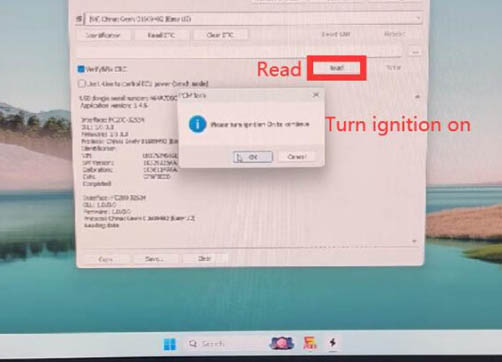
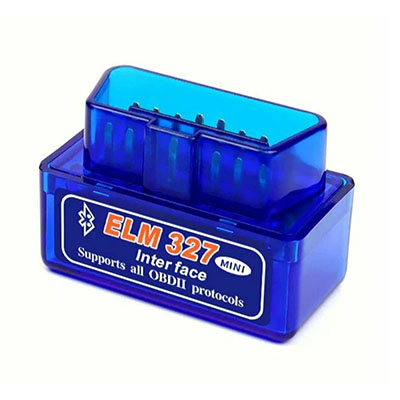
Bluetooth OBD2 scanner: Wireless and portable, plug and play; compatible with iOS/Android mobile apps; allows real-time data viewing; long battery life. But there may be connection delays; some inexpensive devices are unstable. Wired OBD2 scanner (USB): The connection is stable and reliable; it supports in-depth diagnostics and ECU programming, but a laptop is required.